
How to Create a Healthier Home: Air, Light, and Comfort Upgrades
Introduction: Why Environment Affects Wellbeing
“You shape your home—and then your home shapes you.”
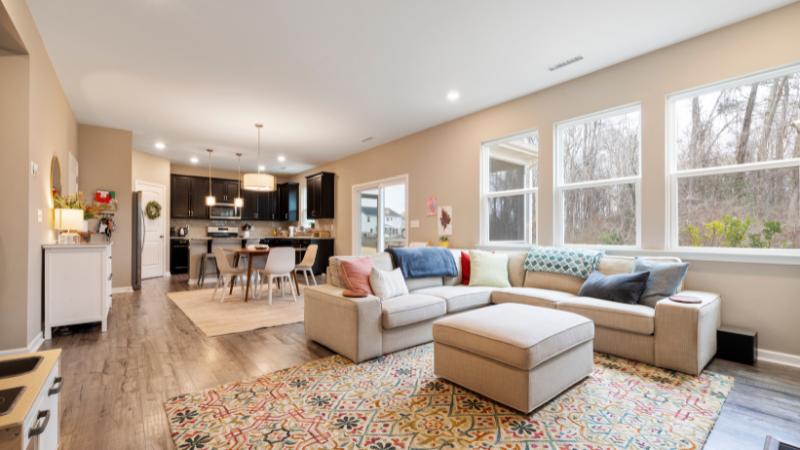
Your home isn’t just a place where you eat, sleep, and binge-watch your favorite shows. It’s the space where your body restores, your mind unwinds, and your health—believe it or not—is constantly being influenced.
Here’s the kicker: The EPA estimates that Americans spend nearly 90% of their time indoors. And yet, many homes are filled with unseen stressors—polluted air, artificial lighting, awkward furniture, noise, and clutter—all of which can quietly chip away at your energy, mood, and long-term health.
But the good news? You don’t need a full renovation or a big budget to make meaningful changes. With a few intentional tweaks, you can create a healthier home that supports both physical comfort and mental clarity.
In this guide, you’ll discover:
-
How to improve indoor air quality with natural and tech-savvy solutions
-
Smart ways to maximize natural light and better lighting design
-
The impact of ergonomic furniture on everyday comfort
-
Why decluttering and organizing has real mental health benefits
-
Simple strategies for a sleep-friendly bedroom setup
-
Small, affordable tech upgrades that make a big difference
Whether you’re working from home, raising a family, or simply craving a space that feels good to live in—these healthy home tips will help you turn your house into a haven.
Let’s dive in!
Improving Indoor Air Quality (Filters, Plants, Purifiers)
Breathe better—starting today.
Clean air is the foundation of a healthy home, yet indoor air can be 2–5 times more polluted than outdoor air. Dust, allergens, pet dander, mold, and VOCs (volatile organic compounds) from furniture and cleaning products can all reduce your indoor air quality.
Here’s how to clean up your air:
-
Use HEPA filters in your HVAC system or standalone air purifiers to trap airborne particles like dust, pollen, and pet dander.
-
Ventilate your space regularly—open windows when weather and outdoor air quality allow.
-
Add air-purifying houseplants like snake plants, peace lilies, or pothos (bonus: they look great too!).
-
Avoid synthetic fragrances in candles and cleaning products. Opt for essential oils or fragrance-free alternatives.
-
Reduce humidity to prevent mold growth with a dehumidifier—especially in bathrooms and basements.
-
Limit indoor smoking or burning, including incense or firewood, which release particulates.
Cleaner air means deeper breaths, better sleep, and fewer headaches or allergy flare-ups.
Maximising Natural Light and Good Lighting Design
Let the sunshine in—and brighten your mood.
Natural light doesn’t just illuminate your home—it improves focus, boosts vitamin D, and regulates your circadian rhythm. Plus, it just makes rooms feel more alive.
Lighten up with these strategies:
-
Keep windows clear of heavy drapes during the day to maximize sunlight.
-
Use mirrors and reflective surfaces to bounce light around the room.
-
Choose light-colored walls and décor to enhance brightness.
-
Add layered lighting with a mix of ambient, task, and accent lighting for flexibility.
-
Use warm-toned LED bulbs in the evening to support relaxation and melatonin production.
-
Consider smart bulbs with circadian settings that adjust light warmth throughout the day.
A well-lit home can reduce eye strain, boost mood, and even help you sleep better at night.
Ergonomic Furniture for Daily Comfort
Comfort = productivity + wellbeing.
If your back hurts after working at the kitchen table or your neck is sore from slouching on the couch, it’s time to upgrade your setup. Ergonomic furniture isn’t just about luxury—it’s about protecting your body.
Comfort-forward furniture upgrades:
-
Invest in an adjustable ergonomic chair that supports your lower back and promotes good posture.
-
Use a sit-stand desk or adjustable riser to reduce long hours of sitting.
-
Ensure screens are at eye level to prevent neck strain—use monitor stands or books.
-
Add lumbar pillows and footrests to existing furniture if replacements aren’t an option.
-
Choose cushioned anti-fatigue mats for standing workstations or kitchens.
Over time, these small changes reduce chronic tension, fatigue, and posture-related discomfort.
Decluttering and Organising Spaces
Less mess = less stress.
Clutter doesn’t just take up physical space—it clutters your mind. A tidy home helps you focus, reduces overwhelm, and even improves your mood.
Get organized with these healthy home tips:
-
Start with one room or category (like clothes or kitchenware) to avoid burnout.
-
Use storage bins, baskets, and drawer organizers to keep essentials accessible.
-
Digitize paper clutter—scan documents and unsubscribe from junk mail.
-
Adopt a “one in, one out” rule to prevent re-cluttering.
-
Clear countertops and create visual space for calm and clarity.
-
Schedule a monthly “mini-declutter” session to stay on top of things.
An organized home feels lighter, more peaceful—and easier to maintain.
Sleep-Friendly Bedroom Setups
Turn your bedroom into a sleep sanctuary.
Your bedroom should be your escape, not a second living room or workspace. A well-designed sleep environment supports deeper rest and faster recovery.
Sleep-friendly tweaks you can make today:
-
Use blackout curtains to block out street lights and early sun.
-
Keep the room cool (60–67°F)—your body needs a drop in core temp to fall asleep.
-
Remove screens—or at least keep phones and TVs out of arm’s reach.
-
Choose natural fiber bedding (like cotton or linen) for breathability.
-
Add a white noise machine or soft fan to mask background sounds.
-
Keep colors soft and calming—think cool blues, warm neutrals, and earthy tones.
Quality sleep affects everything—energy, memory, immune function, even your mood. Your bedroom should help you recharge, not stress you out.
Small Tech Upgrades for a Healthier Space
Smart home, smart health.
You don’t need to turn your house into a gadget showroom, but a few intentional tech upgrades can seriously improve comfort, efficiency, and even safety.
Easy wins with smart home tech:
-
Smart thermostats (like Nest or Ecobee) help maintain optimal temperature and save energy.
-
Air quality monitors track pollutants and humidity so you can take timely action.
-
Use smart plugs to automate lighting or turn off devices remotely.
-
Blue light–reducing bulbs or smart lighting systems shift color temperature throughout the day.
-
Install motion-activated lights for nighttime trips to the bathroom.
-
Consider a robot vacuum or air purifier for consistent cleaning with minimal effort.
When used mindfully, technology becomes a powerful tool for a healthier, more responsive home.
Conclusion: Quick Wins to Start Today
Creating a healthier home doesn’t require a renovation team or an endless budget. It starts with simple, thoughtful changes that bring more fresh air, natural light, comfort, and calm into your daily environment.
Let’s recap:
-
Improve indoor air with HEPA filters, plants, and ventilation.
-
Maximize light with clever window treatments and warm LED bulbs.
-
Choose ergonomic furniture that supports long-term comfort.
-
Declutter your spaces to reduce visual and mental noise.
-
Make your bedroom a true rest zone—cool, dark, and screen-free.
-
Upgrade with smart home tech that makes health easier to manage.
Start small. Pick one or two tips from this list and try them out today. Sometimes the tiniest tweaks create the biggest changes. And over time, your home becomes what it was always meant to be—a place that helps you thrive, not just survive.